The bridge between a creative spark and a functional user interface has long been a complex journey of translation. Designers sketch visions that developers must then interpret through lines of code, often resulting in a tedious back-and-forth process that can stifle momentum. Google Labs is addressing this friction with Stitch, an experimental AI-powered platform designed to collapse the distance between ideation and implementation. By treating the user interface as a fluid, conversational medium, Stitch allows creators to manifest their digital ideas through the power of natural language.
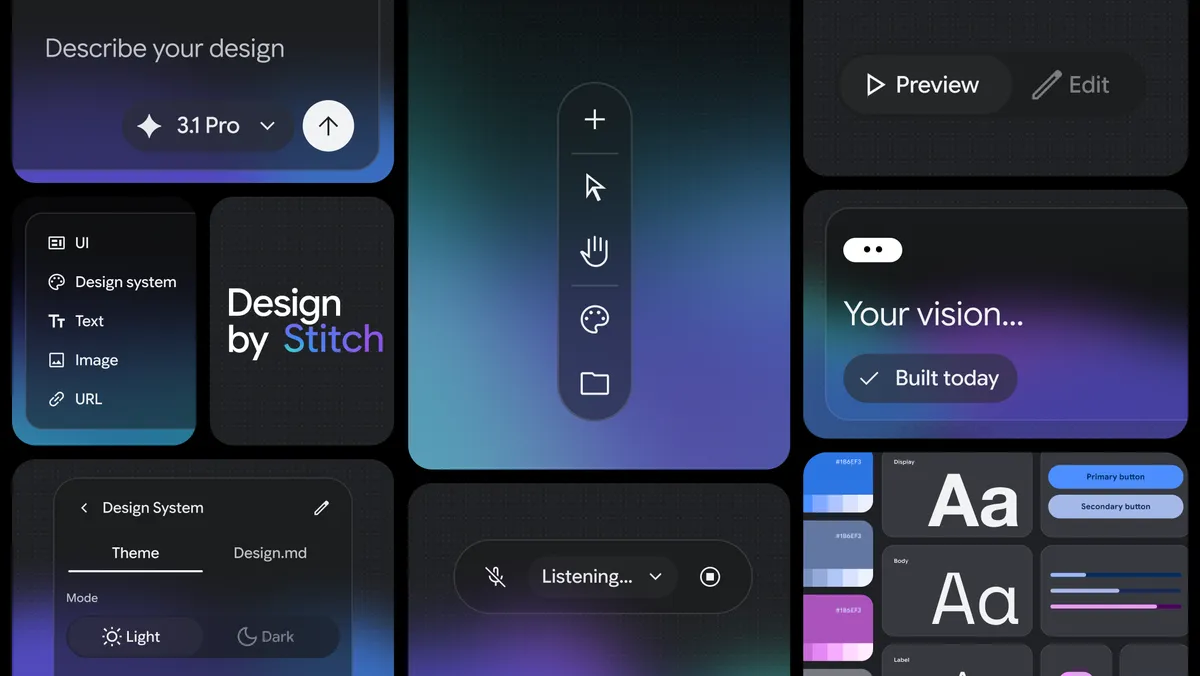
At its core, Stitch functions as an intelligent canvas where prompts are transformed into high-fidelity, interactive components. Instead of manually dragging elements across a grid or writing boilerplate CSS, a user can simply describe a desired layout. Whether it is a sophisticated dashboard for a financial application or a minimalist navigation bar for a boutique brand, the AI interprets the request and generates functional code in real-time. This shift represents a move away from static prototyping toward a more dynamic, living design process where the output is as much a software component as it is a visual mockup.
What distinguishes Stitch from traditional generative tools is its commitment to refinement and multi-modal input. The design process is rarely finished on the first attempt, and Stitch reflects this reality through a chat-based interface that allows for continuous iteration. Users can ask the system to adjust color palettes, modify spacing, or add complex interactive elements like hover states and transitions. Furthermore, the tool supports visual references, enabling designers to upload hand-drawn sketches or screenshots of existing sites to serve as a structural foundation for the AI to build upon.
For professional workflows, the utility of Stitch extends beyond mere brainstorming. The platform bridges the technical divide by producing exportable code compatible with modern frameworks like React and styling libraries like Tailwind CSS. This ensures that the generated designs are not trapped within a proprietary sandbox but can be integrated directly into production environments. By automating the repetitive aspects of front-end development, Stitch empowers designers to focus on high-level user experience and enables developers to focus on core application logic.
Ultimately, Google Labs is signaling a future where the barriers to software creation are significantly lowered. Stitch represents a shift toward a collaborative partnership between human creativity and machine intelligence. By streamlining the path from a simple thought to a sophisticated digital product, the tool paves the way for a more agile, accessible, and inclusive era of interface design.