
In the rapidly evolving landscape of physical artificial intelligence, the ability to see has largely outpaced the ability to remember. At NVIDIA GTC 2026, a startup called Memories AI stepped into the spotlight to bridge this gap, introducing what it calls a visual memory layer for the next generation of wearables and robotics. While modern computer vision can identify a set of keys on a table with ease, it typically lacks the temporal continuity to help a user find those same keys two hours later. Memories AI aims to transform this fleeting perception into a structured, searchable history of experiences.
Founded by Shawn Shen and Ben Zhou, both veterans of Meta’s Ray-Ban smart glasses team, the company is tackling the problem of stateless AI. Their solution is built around a Large Visual Memory Model (LVMM) that treats continuous video streams as a dynamic database rather than a series of isolated frames. By compressing visual data into semantic memory graphs, the system enables devices to perform complex temporal reasoning. This means a warehouse robot can recall the shifting layout of inventory across multiple shifts, or a pair of smart glasses can serve as a genuine second brain, documenting and retrieving life’s small details on command.
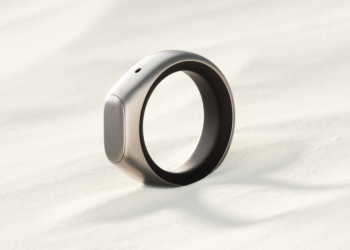
The technical architecture is designed to live at the edge. Through a strategic partnership with Qualcomm, the LVMM is optimized to run natively on mobile processors, ensuring low latency and enhanced privacy by keeping sensitive visual data on-device. The company has also integrated its infrastructure with NVIDIA’s Cosmos-Reason and Metropolis platforms, providing a robust backbone for developers building embodied AI systems. To further refine their model, the team even developed proprietary hardware known as LUCI to gather the high-fidelity environmental data necessary for training.
With 16 million dollars in funding from heavy hitters like Susa Ventures and Samsung Next, Memories AI is positioning itself as a foundational infrastructure player. The team argues that for robots and wearables to become truly agentic assistants, they must move beyond reactive recognition. They need a sense of history. By building a persistent digital hippocampus for machines, the startup is not just improving how devices see the world, but how they understand their place within its timeline. As physical AI shifts from parlor tricks to pervasive utility, the difference between a tool and a partner may simply come down to the strength of its memory.